Quality canton top Synthetic Turf Installation
Quality canton top Synthetic Turf Installation
Blog Article
Synthetic Turf Installation: The Eco-Friendly Option for Your Lawn
Artificial turf installation constitutes a viable substitute for homeowners looking for a sustainable yard answer. Its toughness and low maintenance needs deliver considerable benefits over standard grass. As water preservation grows progressively vital, artificial turf acts as an effective answer to environmental concerns. Nevertheless, the decision to place artificial grass entails numerous considerations that warrant thorough analysis. Which aspects must homeowners evaluate before undertaking the switch to this eco-friendly option?
Comprehending Artificial Grass: Critical Characteristics and Rewards
Synthetic turf has emerged as a popular alternative to natural grass, providing many benefits for various applications. One of its main characteristics is longevity; synthetic grass can endure heavy foot traffic and extreme weather conditions without deteriorating. This resilience makes it an perfect choice for sports fields, playgrounds, and residential lawns.
In addition, synthetic turf involves negligible maintenance alongside natural grass. There is no necessity of mowing, watering, or fertilizing, yielding notable time and cost advantages for homeowners and facility managers alike.
Moreover, artificial grass is environmentally friendly, as it saves water and eliminates the need for harmful pesticides and fertilizers.
Modern synthetic turf replicates the appearance and feel of natural grass through progress in technology, offering aesthetic appeal without the drawbacks. These features together make synthetic turf a viable and attractive option for a wide range of uses.
Laying Down Synthetic Turf: A Step-by-Step Guide
When examining the benefits of synthetic turf, the next logical step is comprehending the installation process.
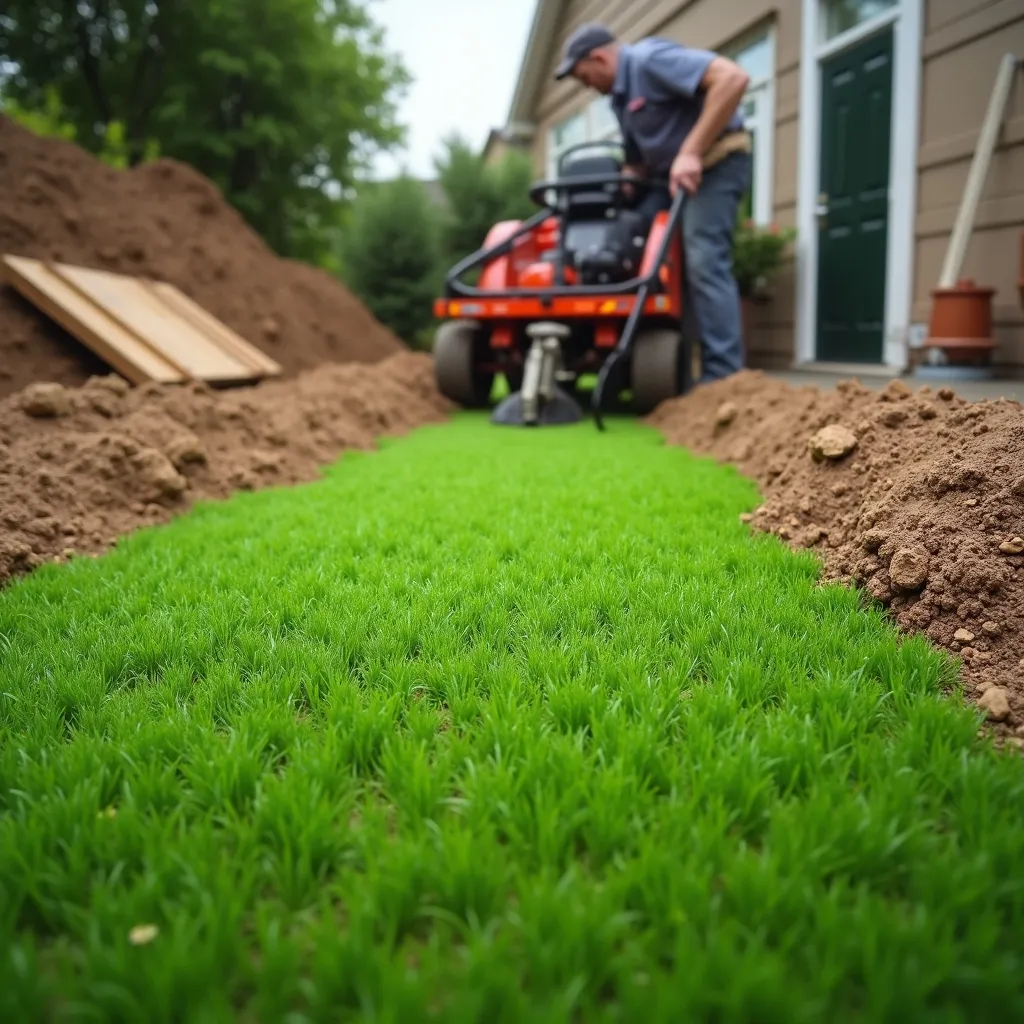
The opening phase entails site readiness, which consists of clearing the area of present grass, weeds, and debris. Next, a base layer of gravel or stone is positioned to ensure proper water flow and stability. Following this, a weed barrier is applied to inhibit unwanted vegetation.
Once the base is set up, the synthetic turf rolls are unrolled and positioned, permitting proper alignment. The edges are attached with stakes or adhesive, providing a seamless appearance.
After positioning, a coating of infill material, such as rubber or sand, is laid uniformly to offer weight and support. Finally, the turf is brushed to elevate the strands and produce a authentic appearance.
Completing these steps produces a durable, low-maintenance lawn that amplifies both aesthetics and usability.
Why Select Synthetic Turf? Ecological and Functional Advantages?
Installing artificial grass offers many environmental and practical benefits that make it an appealing option for numerous homeowners and businesses. One major view now advantage is water conservation; artificial turf removes the requirement for regular watering, which is particularly advantageous in arid regions.
Moreover, it minimizes the reliance on toxic pesticides and fertilizers, fostering a more vibrant ecosystem.
From a practical viewpoint, manufactured grass requires limited care, saving time and money on lawn care. It remains flourishing and green throughout the year, offering a steady visual charm without weather-related variations.
Furthermore, synthetic turf provides durability, equipped to handle heavy foot traffic and various weather conditions, making it ideal for both residential and commercial applications.
These elements not only elevate the utility of external environments but also promote enduring ecological balance, making synthetic turf a persuasive selection for green-minded purchasers.
Critical Factors for Synthetic Turf Implementation
Multiple considerations must be evaluated before beginning synthetic turf installation. First, it is essential to assess the intended application of the area. Various kinds of synthetic turf are created for specific uses, such as sports or residential grounds maintenance.
Second, the local weather patterns should be examined; some items may manage heat better than others.
Site configuration is another essential factor, requiring proper drainage and a even terrain to assure lasting performance and functionality. Additionally, conceivable local regulations or HOA directives may influence installation selections.
Picking the ideal infill material is vital for durability and coziness, as it determines both the appearance and feel of the turf.
In conclusion, choosing a credible service provider can greatly influence the quality and longevity of the installation. By tackling these considerations, homeowners can make informed decisions that most appropriately suit their desires and enhance their outdoor spaces.
Preserving Your Synthetic Turf Lawn in Great Shape
Maintaining a synthetic turf lawn requires a regular maintenance routine to ensure its longevity and appearance.
Regular upkeep includes dealing with any spots and utilizing repair techniques as required.
Adhere to a conventional sanitation program
A consistent cleaning schedule is essential for maintaining the look and durability of synthetic turf lawns. Routine upkeep helps avoid debris buildup, minimizes odors, and enhances aesthetic appeal.
Homeowners should aim to clear leaves, twigs, and other natural debris at least once a week, especially during fall. Additionally, washing the turf with water each month can help remove dust and allergens, guaranteeing a fresh look.
Active zones may require more frequent attention to keep the turf's integrity. When frigid weather occur, frozen layers must be carefully removed to avoid damaging the fibers.
Identifying and Repair Advice
Detecting and fixing concerns promptly is vital for preserving the integrity of synthetic turf lawns. Routine inspections should be carried out to find signs of deterioration, such as tears, tearing, or uneven surfaces.
When a issue is detected, immediate action is essential. Minor tears can be fixed using specific adhesive or turf tape, ensuring a strong bond without compromising appearance. For larger issues, professionals may be needed to replace sections of turf.
Furthermore, maintaining the base material intact is crucial; any shifting can lead to further complications. Frequent brushing helps maintain an even appearance and can also identify concealed defects.
Cost Analysis: Synthetic Turf vs. Natural Grass
When considering the costs of artificial grass alternatives to conventional grass, preliminary installation fees serve as an important element.
Moreover, sustained upkeep costs can considerably determine the overall financial commitment of each option.
A thorough analysis of these factors uncovers important insights for potential buyers.
Beginning Setup Fees
Initial installation fees are vital to the decision-making process for property owners and local governments evaluating synthetic turf in comparison to natural grass.
Normally, the upfront expenses for synthetic turf can vary from $5 to $20 per square foot, based on quality and installation complexity. In contrast, natural grass installation usually costs between $1 to $2 per square foot.
However, the overall investment in natural grass can rise significantly due to soil preparation, irrigation, and ongoing maintenance needs.
Homeowners and municipalities must balance these initial costs against the potential long-term benefits of synthetic turf, such as decreased water consumption and minimal upkeep needs.
In the end, grasping these costs supports making knowledgeable, environmentally responsible landscaping decisions.
Extended Maintenance Charges
Extended upkeep costs significantly influence the overall economic viability of synthetic turf compared to natural grass.
Upkeeping natural grass entails recurring financial commitments, including regular cutting schedules, fertilizer application, adequate watering, and pest prevention measures, which can increase markedly over time. Homeowners may spend hundreds to thousands of dollars each year to preserve a lush turf area.
On the other hand, artificial grass requires minimal maintenance, mainly occasional cleaning to remove dirt. Although the upfront cost in synthetic turf may be greater, the lower long-term expenses make it an attractive option.
Moreover, synthetic turf does away with water bills tied to irrigation, further maximizing its cost-effectiveness over time.
In the end, the monetary benefits of synthetic turf maintenance can lead to significant cost reductions for property owners in the long run.
Debunking Popular Myths About Synthetic Turf
Although numerous individuals maintain misunderstandings about synthetic turf, understanding the facts can bring about informed determinations. One prevalent myth is that synthetic turf is injurious to the ecosystem; however, many items are made from reclaimed resources and are built to be resilient, lessening waste.
Another common belief is that synthetic turf requires extreme heat management, but modern installations often feature efficient cooling technologies that mitigate temperature issues.
Additionally, some detractors contend that artificial grass encourages artificial compounds; yet, advancements in materials have significantly reduced the demand for harmful filler materials.
Ultimately, the notion that synthetic grass cannot support biodiversity is misleading; many installations can coexist with native plants, creating habitats for local wildlife.
Often Requested Questions
How Long Can Synthetic Turf Remain Functional Before Needing Replacement?
Synthetic turf generally remains viable between 15 to 25 years before requiring replacement. Aspects influencing longevity include caliber, upkeep practices, and environmental factors, which can substantially affect its durability and overall performance over time.
Can Animals Securely Utilize Synthetic Turf?
Pets can securely enjoy synthetic turf, as it is designed to be durable and non-toxic. Regular maintenance guarantees cleanliness, making it a sensible option for pet owners seeking a easy-to-care-for, pleasant outdoor space for their animals.
Does Artificial Grass Trap Heat in Sunny Conditions?
Certainly, artificial grass does soak up heat in bright conditions, considerably raising surface temperatures. This can produce strain for both humans and pets. Regular irrigation or opting for lighter-colored grass can help reduce this heat retention.
Which Options Are There for Artificial Grass Colors and Finishes?
Synthetic turf options include several colors like bright greens, muted browns, and even custom shades. Styles range from realistic imitation of natural grass to creative designs, suited for diverse aesthetic preferences and functional needs.
How Does Synthetic Turf Affect Wildlife in Your Area?
Man-made turf can disrupt local animal populations by changing ecosystems and decreasing natural nutrition availability. Its lack of flexibility may discourage certain species from foraging or nesting, potentially leading to decreased biodiversity in the impacted regions.
Report this page